
Nutritional Habits
Vitamin D and Magnesium: A Foundation in the Daily Supplement Stack
Marcus Webb
·
·
9 min read
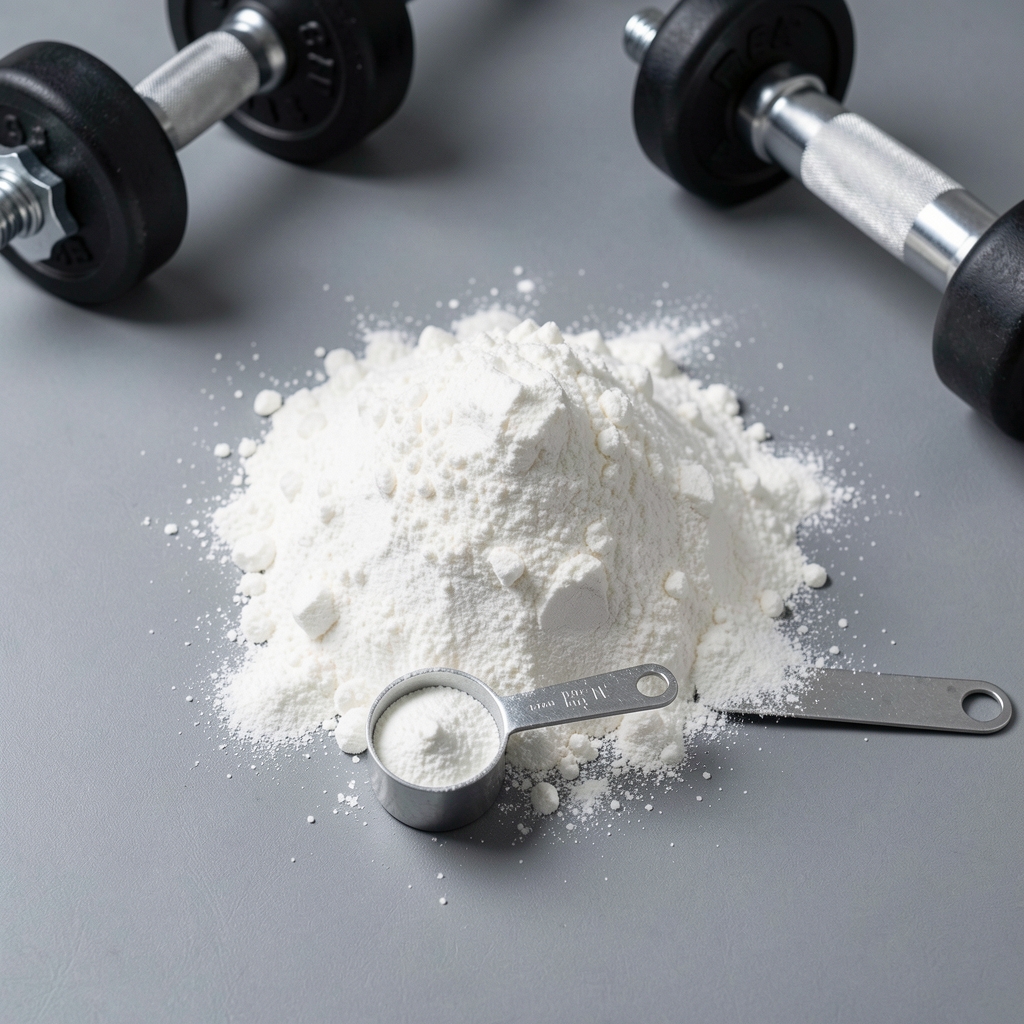
Creatine remains one of the more studied nutritional compounds in the context of resistance training and active men's routines. Its presence in the supplement literature spans several decades, and the body of independent research that documents its relationship to physical output is among the most substantial in sports nutrition. A review of its place in men's active supplement stacking habits.
The independent nutritional and sports science literature on creatine monohydrate is extensive. Peer-reviewed publications from sports science departments across multiple institutions have documented the compound's relationship to short-duration, high-intensity physical output — the kind of effort associated with resistance training, interval routines, and similar forms of structured physical activity. The Gazette's editorial position is to survey what this literature observes, not to translate those observations into personal directives.
What distinguishes creatine from many other compounds in the supplement literature is the consistency of the documented observations across independent research groups. Studies from the International Society of Sports Nutrition, as well as numerous peer-reviewed journals covering exercise physiology, have produced broadly consistent findings regarding creatine's relationship to the adenosine triphosphate (ATP) resynthesis cycle during short, intensive physical efforts. The Gazette notes these as published observations, not as individual guidance.
Articles published on Atelon Gazette are editorial in nature and reflect the writers' observations on everyday supplementation habits and nutritional awareness for active men. The content is not intended as professional advice, nor as guidance for the management of any specific condition. Readers with specific concerns about their daily routines are encouraged to speak with a qualified wellness professional.
For men engaged in regular resistance training — whether in a commercial gym, a home training environment, or a structured group programme — creatine tends to occupy a particular position in the supplement stack. Unlike protein supplements, which function as a direct nutritional input supplementing dietary protein, creatine operates at the level of cellular energy availability. The compound is stored in muscle tissue and drawn on during the brief, intensive phases of physical effort that characterise resistance training sessions.
The published literature's consistent observation is that men who supplement with creatine monohydrate and who maintain a regular resistance training routine tend to show measurable differences in their capacity for physical output over time compared to those who do not. The Gazette documents this as a published observation. It does not constitute a directive to supplement, nor a claim of outcome for any individual reader.
The compound is also found naturally in whole food sources — red meat and fish in particular — though at levels substantially lower than those typically noted in supplementation protocols in the research literature. For men whose dietary variety is high and whose intake of these whole food sources is consistent, the gap between dietary creatine and supplemental creatine is likely narrower. The Gazette observes this without prescribing an approach.
The supplement literature contains considerable discussion on loading protocols — the practice of taking higher quantities of creatine for an initial period to saturate muscle stores before transitioning to a maintenance quantity. A number of peer-reviewed studies have examined both approaches: loading followed by maintenance, and a consistent lower daily intake without a loading phase.
The research consensus, as the Gazette reads the independent literature, is that both approaches appear to result in similar muscle creatine saturation over time, with the loading protocol achieving saturation more rapidly and the consistent daily approach reaching comparable levels over a longer period — typically three to four weeks in the research documentation. The Gazette presents this observation as a summary of published findings. Men considering either approach are encouraged to consult a qualified wellness or nutrition professional.
A separate thread in the published literature concerns creatine's relationship to water retention within muscle tissue. The research documents this as a transient effect associated with initial supplementation. The Gazette includes this observation in its editorial coverage because it appears frequently in published documentation and is relevant to men who are tracking body composition changes alongside their physical routines.
"Creatine's research base is distinguished less by novelty than by accumulation — a consistent pattern repeated across independent research settings over time."
Editorial Observation — Atelon Gazette
The Gazette's editorial observation of supplement stacking habits among active men positions creatine as what might be described as the performance layer of the stack — distinct from foundational nutritional inputs like vitamin D and magnesium, and distinct again from macronutrient supplements like protein powders. Men who maintain consistent supplement journals tend to document creatine as a deliberate addition tied to a specific training objective rather than as a general daily wellness habit.
This pattern aligns with the published research, which frames creatine in the context of structured physical training rather than general nutritional balance. The compound's primary documented role — supporting physical output over time in resistance training routines — is specific to the training context. Men whose routines do not include consistent resistance or high-intensity work may find less personal relevance in the published literature, though the Gazette makes no claims about individual applicability.
Creatine monohydrate is the form documented most extensively in the independent research literature. Alternative forms — creatine hydrochloride, buffered creatine, liquid creatine — appear in commercial supplement marketing with varying claims. The peer-reviewed literature does not document consistent performance advantages for these alternatives over monohydrate. The Gazette notes this discrepancy between commercial marketing and independent research documentation as editorially relevant.
A companion subject in the Gazette's editorial coverage of active men's nutritional habits is the relationship between protein intake and daily performance. The independent nutritional literature is consistent in documenting the role of adequate protein in supporting muscle recovery and maintenance for men engaged in regular physical activity. The Gazette covers protein as a whole food priority first — sources including lean meats, legumes, dairy, fish, and eggs feature prominently in independent nutritional guidance — with supplemental protein powders considered in the context of men who find it practically difficult to meet their daily intake through whole food sources alone.
The interaction between creatine and protein in the context of resistance training is documented in the sports nutrition literature primarily in terms of complementarity rather than dependency. Men who track both in their daily habits report — and the research broadly supports — that the two operate across different but related layers of the physical output and recovery cycle. The Gazette observes this as editorially relevant context for men navigating their supplement stacking decisions.
── Editorial Summary
Creatine monohydrate is among the most extensively documented compounds in independent sports nutrition and exercise physiology research, with consistent associations to physical output in resistance training contexts.
The published literature supports both loading and consistent daily intake approaches, with muscle creatine saturation documented as the eventual outcome of both over differing time periods.
Creatine monohydrate remains the form most consistently documented in peer-reviewed research; alternatives have not shown consistent performance advantages in independent literature.
In the context of men's supplement stacking habits, creatine functions as a performance layer distinct from foundational nutritional inputs and macronutrient supplements.
── About the Author

Marcus Webb
Editor — Atelon Gazette
Marcus Webb is the founding editor of Atelon Gazette, covering men's nutritional habits and the documentary evidence base for daily supplementation routines. His editorial work draws on published nutritional and sports science research across Southeast Asia and the United Kingdom.
More from Marcus Webb →